
Reviewed · TOURS IN LUCERNE
Private Classic Lucerne City Walk
Lucerne saves its best introduction for people on foot. This private walk takes you from the Lion Monument and the Bourbaki Panorama through the old fortifications, painted squares, river bridges, churches, and Chapel Bridge, with guide Ralf often leading the way. The route packs a lot into two hours without reducing the city to a string of photo stops.
I like the hotel pickup, especially if you are new to Lucerne and do not want to hunt for a meeting point. I also like the chance to climb the Musegg Wall and Clock Tower, where you get views of the city, Alps, river, and surrounding countryside. The main catch is timing: the wall and towers close from November through March, and Ritter Palace is closed on weekends, holidays, and special-event days.
Key points at a glance
- Private hotel-to-hotel service: Start at your Lucerne hotel and finish on foot or by public transportation.
- A real medieval climb: Walk part of the Musegg Wall, climb Schirmer Tower, and reach the top of the Clock Tower when open.
- Strong first-day route: The walk covers the Lion Monument, Old Town squares, river bridges, churches, and Chapel Bridge.
- Seasonal access matters: Musegg Wall and its towers are exterior-only from November through March.
- Weekend planning tip: Ritter Palace can only be viewed from outside on Saturdays, Sundays, holidays, and special-event days.
- Useful local advice: The guide can suggest restaurants, museums, shopping, chocolate, and other things to do after the walk.
Why this two-hour Lucerne walk works well
Lucerne is compact, but its sights do not all announce themselves from the main shopping streets. A private guide helps you connect the city’s separate stories: Swiss Guards killed in Paris, medieval defenses, painted guild houses, river engineering, Baroque religion, and the famous covered bridge.
The route is also practical. You meet in your hotel lobby within Lucerne city limits. After a quick look at the route on a map, you walk or take the public bus to Lion Square. If you are staying in a Lucerne hotel, your Visitor Card provides free public transportation during your stay. Bring it with you.
Because the tour is private, the pace can change. A guide can spend more time on a favorite sight, answer your questions, or move along if you have another plan. One especially useful example is the Clock Tower climb: the timing can sometimes be arranged so the hourly bell sounds while you are going up.
The advertised duration is about two hours. That is enough for an overview, not a slow museum day. You will make frequent stops, walk uphill to the wall, cross the Old Town, and use stairs in the towers. Wear shoes with a good grip and dress for the weather. The tour operates in all conditions.
A few more things to do in Lucerne worth a look
- Exclusive Private Lucerne Walking Tour with Local Guide 3 Hours
★ 5.0 · 80 reviews - Tony`s private city tour with picnic & chocolate degustation
★ 5.0 · 80 reviews - Private Ski Instructor from Lucerne including Transport
★ 5.0 · 39 reviews
Bourbaki Panorama and the Lion Monument
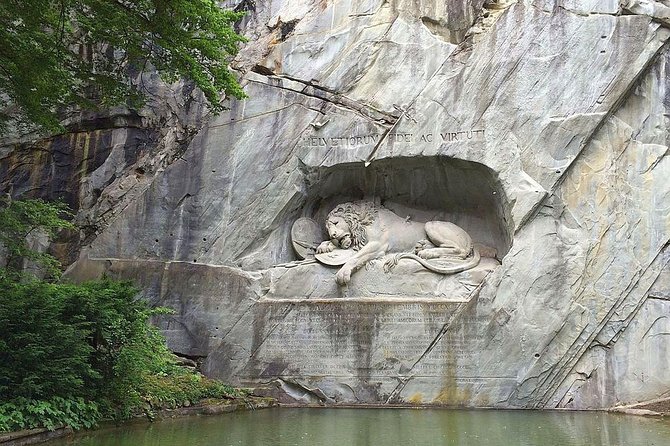
Your first stop is the Bourbaki Panorama, seen from outside. The guide gives you a short explanation of the building and the story connected with it before continuing to the nearby Lion Monument.
The Lion Monument is one of Lucerne’s most affecting sights. It commemorates Swiss Guards killed during the French Revolution, when about 800 guards died defending the French king’s palace in Paris. The monument gives the tour an early dose of European history, and the guide connects the event with the long tradition of Swiss soldiers serving foreign rulers. The Pope’s Swiss Guard is the best-known surviving example.
You only spend about five minutes at the monument, so do not expect a long, quiet study of every detail. The value is the context. Without it, the carved lion can seem like a dramatic sculpture in a shady park. With the story, it becomes a reminder of Switzerland’s older military role and the political upheaval that changed Europe.
Climbing the Musegg Wall and Clock Tower
The walk to the Musegg hill takes about ten minutes uphill. This is the most physical part of the route, but also one of its best rewards.
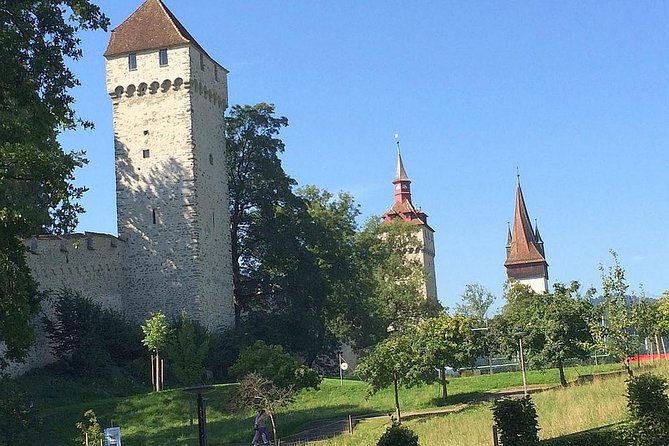
The Musegg Wall dates from the early 15th century and formed part of Lucerne’s defenses. When the towers are open, you climb Schirmer Tower, walk along the defense path, and climb the Clock Tower. The route gives you a clear sense of how the city was protected before modern streets and traffic reshaped daily life.
The views are a major reason to value this stop. From the wall and tower, you can look across Lucerne, the Reuss River, the Alps, and the surrounding midland. The climb also changes your view of the Old Town. From street level, Lucerne feels like a pretty collection of painted buildings. From the fortifications, you see how the river, walls, bridges, and settlement fit together.
There is one firm limitation. From November through March, the Musegg Wall and towers are closed, so you can see them only from outside. If this climb is high on your list, book for the open season and confirm the operating conditions before setting your schedule.
Painted houses at Hirschenplatz and Kornmarkt
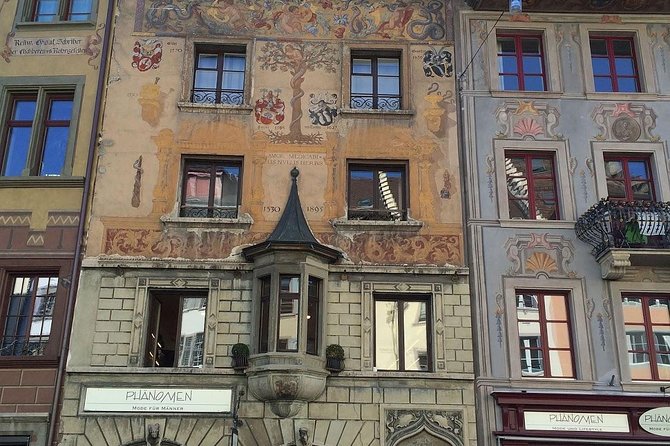
After the wall, the route drops into the heart of the Old Town at Hirschenplatz. Look up at the medieval houses and their painted facades. These buildings give Lucerne much of its visual character, and a guide can point out details you could easily walk past while shopping or looking for a restaurant.
At Kornmarkt, you see the Town Hall and its tower, dating from the early 17th century. The guide explains the unusual clock, which has no minute hand. It is a small detail, but exactly the sort of detail that makes a guided walk useful. You begin to read the city instead of simply photographing it.
A short walk brings you to Weinmarkt, once known as the Fish Market. Here you learn about Lucerne’s old fountains and the spring water they supplied. You can taste the water at the city’s oldest fountain. That simple pause adds a local, everyday note to a route otherwise filled with monuments and grand stories.
Same base, a different sort of day:
- Mount Pilatus Summit from Lucerne With Lake Cruise
★ 4.5 · 1,260 reviews - Jungfraujoch Top of Europe Day Trip from Lucerne
★ 4.5 · 840 reviews - Lucerne Walking & Boat Tour: The Best Swiss Experience
★ 4.5 · 417 reviews - Lake Lucerne Panoramic Sightseeing Cruise
★ 4.5 · 363 reviews
Crossing the Reuss at Reussbrücke
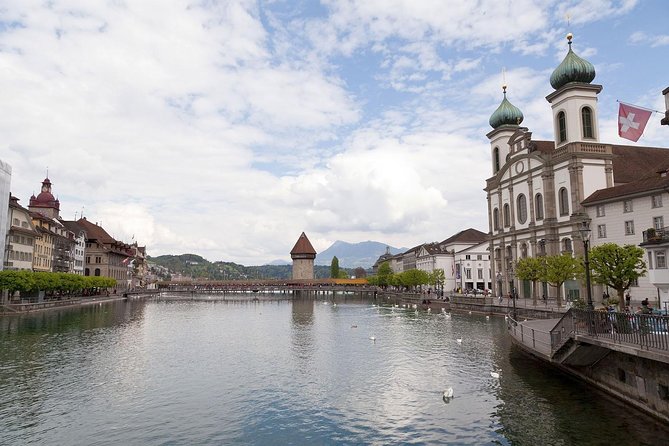
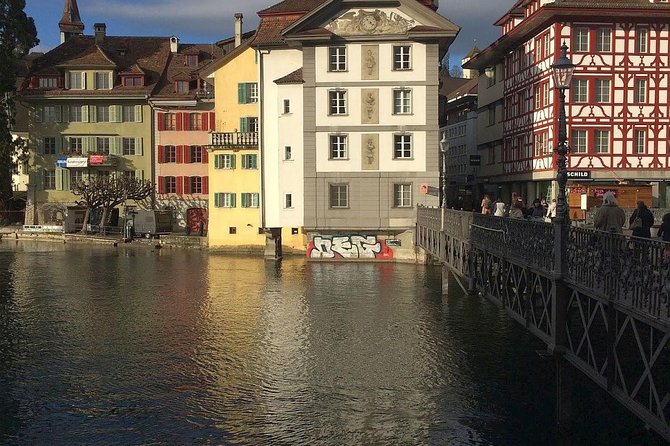
At the lower Wine Market, the guide points out the former location of a pillory before taking you across the Reuss Bridge. The stop opens up several of Lucerne’s signature views at once: the Reuss River, the needle dam, Spreuer Bridge, and two Musegg towers.
This is a good place to understand Lucerne’s relationship with water. The river is not just a scenic backdrop. It helped shape the city’s trade, defenses, bridges, and power system. The needle dam still controls the river level, while the old bridges show how people once moved across town.
The route does not spend a long time at every bridge. That is sensible during a two-hour walk, but you may want to return later for photographs, especially if you like bridge architecture or water views. The guide gives you the orientation, then you can revisit the places that caught your eye.
Ritter Palace and the Danse Macabre paintings
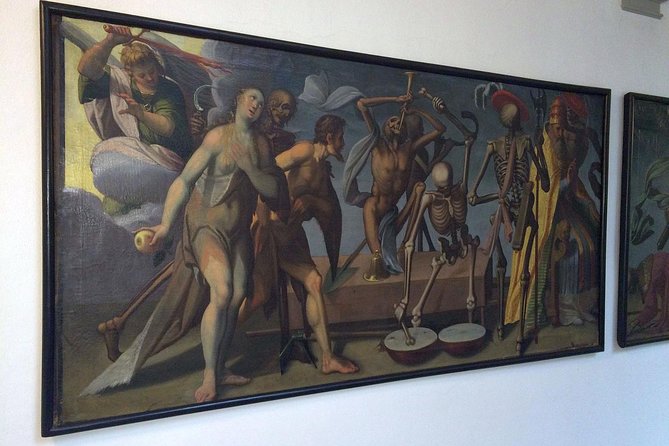
Ritter Palace, or Ritterscher Palast, is the tour’s main interior history stop when it is open. This 16th-century Florentine-style palace offers a change from street sightseeing. Inside, you see the Danse Macabre gallery, a set of seven paintings by Jakob von Wyl.
A guided explanation helps here. The Danse Macabre theme uses death to place people from different levels of society on equal ground. The paintings are not simply decorative scenes, and the guide’s account of the gallery gives the visit more meaning than a quick look through an open doorway.
Plan carefully around the calendar. Ritter Palace is closed on Saturdays, Sundays, holidays, and special-event days. On those dates, the palace can be seen only from outside. The walk still includes the building, but you lose one of the route’s more distinctive interior experiences.
The tour information treats admission as included in the experience, and no extra entry charge is listed. Even so, the opening restrictions matter more than the ticket detail. If the palace is a priority, choose a weekday that is not a holiday or event day.
The Jesuit Church and Chapel Bridge
The Jesuit Church dates from the 17th century and is described as the first Baroque church in Switzerland. Your guide explains its background, then you can enter when services are not taking place.
The visit is short, about five minutes, so think of it as an introduction rather than a full church tour. The interior offers a useful contrast to the defensive wall, secular squares, and river bridges you have just seen. Mass services can restrict entry, so keep your expectations flexible if worship is underway.
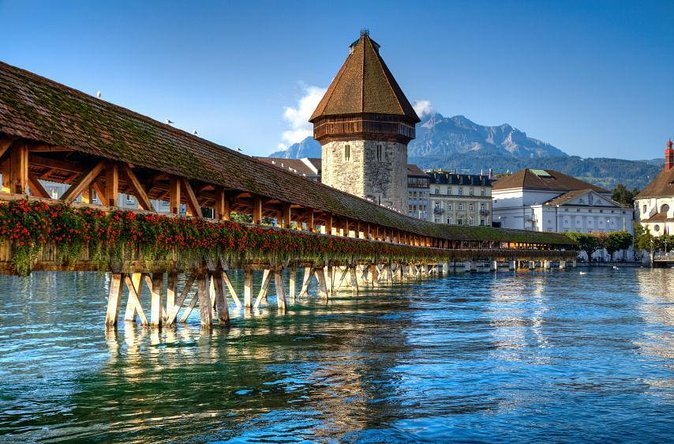
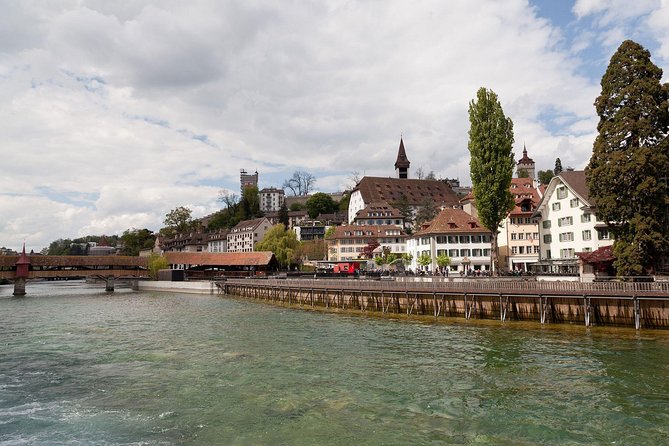
Next comes Chapel Bridge, Lucerne’s most famous sight. You cross the covered wooden bridge with its Water Tower, a former piece of city fortification. The tower once served as a prison, while the bridge’s paintings tell stories from Lucerne’s past.
The bridge is a busy photo stop, but the guide helps you notice its practical purpose. It was not built only to look pretty. It linked parts of the city and formed part of its defenses. The Water Tower, river, bridge roof, and paintings make this one of the places where Lucerne’s civic, religious, and military stories come together.
Peter’s Chapel and the final Old Town details
The tour ends at Rosengart Platz beside St. Peter’s Chapel, the first church in town, dating from the 12th century. Nearby, you see the Zur Gilgen House, described as Lucerne’s first private stone house, dating from the early 16th century.
The final explanation answers a question many people have: why is it called Chapel Bridge? The answer connects the bridge with St. Peter’s Chapel, giving the name a bit more sense than it has when you first see it on a map.
Your guide remains available for further questions and can accompany you back to your hotel by public transportation or on foot. That return option is useful if you have evening plans or want help getting oriented after the walk. It also means the experience begins and ends close to where you are staying, instead of leaving you at an unfamiliar street corner.
What the private format is worth at $198
At $198 per person, this is not the least expensive way to see Lucerne. The value depends heavily on your group size and how much you want personal attention.
For a couple, the price buys a private guide, hotel pickup, a route tailored to your pace, and a concentrated introduction to the city. For a larger family or group, the cost may feel more reasonable because everyone receives the same guide without joining strangers. Group discounts are available, though the exact reduction is not provided.
The private format also helps families with different walking speeds. The route is manageable for many ages, but it includes an uphill walk and tower stairs. A guide can adjust the pace and explain the city without forcing your group to keep up with a large party.
You also receive three exclusive postcards featuring Old Lucerne. They are a small extra, not a reason by themselves to book, but they make a pleasant souvenir. The real value is the guide’s local advice. Ralf has suggested restaurants, museums, shopping, chocolate, and riverside lunch spots that fit into the rest of a Lucerne stay.
A two-hour city walk can also save time. You will not need to research the best order for the sights, find the wall entrance, or work out which bridges and squares belong together. If you have only a short stay, that efficiency matters.
Who should book this Lucerne walk?
I would choose this tour as a first activity in Lucerne, especially on your arrival day or first full morning. It gives you a clear mental map of the Old Town and helps you decide where to return for a longer visit.
It suits you best if you:
- Want a private English-language guide rather than a large group
- Prefer history explained in plain terms
- Are staying within Lucerne city limits
- Want hotel pickup and help with local transportation
- Have a family or group that benefits from a flexible pace
- Would like restaurant, museum, shopping, or later-activity suggestions
- Can schedule around the Musegg Wall and Ritter Palace closures
It may not suit you if you want long interior visits, a slow photography walk, or a full museum experience. The schedule moves steadily, and several stops last only five minutes. You also need to accept that some indoor and tower visits depend on the date and service schedule.
Free cancellation is available up to 24 hours before the start time. Changes or cancellations made less than 24 hours ahead are not accepted for a refund. The tour welcomes service animals, operates in all weather, and most people can participate, provided they are comfortable with the uphill walk and tower stairs.
Should you book it?
Book this private Lucerne walk if you want a well-organized introduction with real local context, not just a checklist of postcard sights. The Lion Monument, Musegg Wall, Old Town, Ritter Palace, Jesuit Church, and Chapel Bridge form a strong route, and the hotel pickup removes much of the usual first-day fuss.
For the best version, schedule it from April through October on a weekday, when the Musegg towers are open and Ritter Palace is more likely to be available. If you are visiting in winter or on a weekend, you can still enjoy the city walk, but you should book knowing that two of the route’s interior or elevated highlights may be exterior-only.
FAQ
How long does the Private Classic Lucerne City Walk last?
The tour lasts approximately two hours. The schedule includes ten stops, walking between sights, an uphill section to the Musegg Wall, and time for explanations.
Where does the tour begin?
Your guide picks you up from any hotel within Lucerne city limits. You can also meet at the large arch beside Lucerne main station, or provide your pickup place later.
Is transportation included?
Public transportation may be used between your hotel and Lion Square and for the return journey. If you are staying in a Lucerne hotel, your Visitor Card provides free public transportation during your stay. Any required ticket depends on your hotel location.
Can I visit the Musegg Wall and towers in winter?
From November through March, the Musegg Wall and towers are closed. You can view them from outside, but you cannot take the wall and tower route during that period.
Is Ritter Palace open every day?
Ritter Palace is closed on Saturdays, Sundays, holidays, and special-event days. On those dates, the palace can be viewed from outside only.
Is the tour private and what language is offered?
Yes. Only your group participates, and the tour is offered in English with a professional local guide.
Just added in Lucerne
- Private Transfer: Lucerne to Zurich Airport ZRH by Luxury Van★ 4.5 · 6 reviews
- The Lives and Legends of Lucerne: A Self-Guided Audio Tour★ 5.0 · 6 reviews
- Private Transfer: Lucerne to Zurich Airport ZRH by Business Car★ 5.0 · 11 reviews
- Weggis Vitznau Foxtrail Helios★ 4.5 · 8 reviews
- Tandem Flight Zurich-Engelberg★ 5.0 · 7 reviews
- Touristic highlights of Lucerne on a Private half day tour with a local★ 4.0 · 5 reviews
- Panoramic E-Bike Tour with a Lake Cruise★ 5.0 · 10 reviews
- Paragliding Tandem in Switzerland★ 5.0 · 9 reviews
Tours in Lucerne, compared.
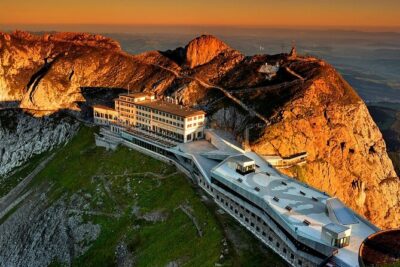
Mount Pilatus Summit from Lucerne With Lake Cruise
Read our review →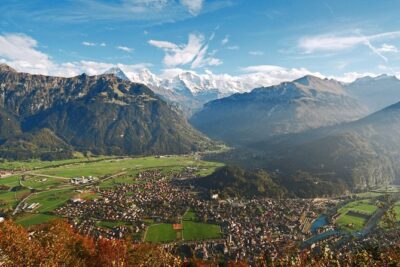
Jungfraujoch Top of Europe Day Trip from Lucerne
Read our review →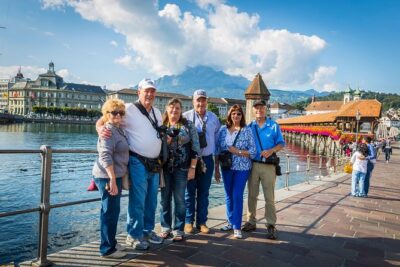
Lucerne Walking & Boat Tour: The Best Swiss Experience
Read our review →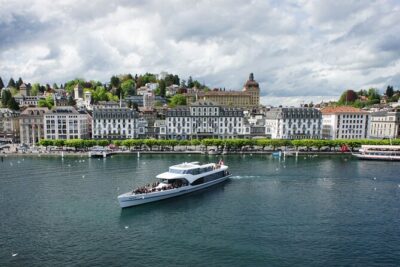
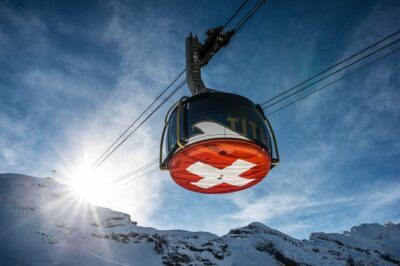
Mt Titlis Cable Car from Engelberg with Ice Flyer
Read our review →
Lucerne’s Hidden Secrets by Electric Cargo Bike
Read our review →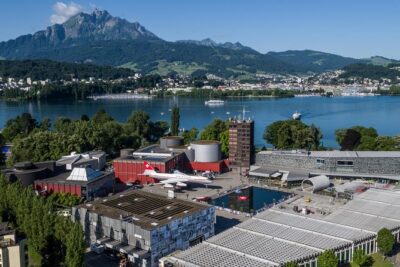
Lucerne Swiss Museum of Transport Entrance Ticket
Read our review →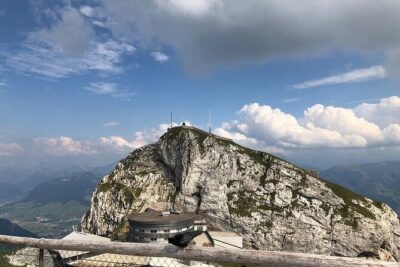
Mt Pilatus Peak and Lake Lucerne Cruise Small Group from Lucerne
Read our review →Browse the lists this tour appears in