
Reviewed · CITY TOURS
City tour Zurich with the city whispers from CHF 21.00
The surprise here comes below street level. This private Zurich walk takes you from the main station through Bahnhofstrasse and the old town, then into underground passages connected with Roman remains and medieval life. I like the mix of major sights and odd little discoveries, and I like that guides such as Jürg, Edu, Eva, and Adrian bring humor and personal attention. The main drawback is physical: cobblestones, slopes, stairs, and underground sections make this more demanding than a flat city stroll.
I also like the practical shape of the tour. It gives you a useful first look at central Zurich, then leaves you near Grossmünster with plenty of old town left to explore. Just check the final price carefully, since the advertised amount is shown as from CHF 21.00 in one place and $106.35 per person in another.
Key points at a glance
- Roman remains beneath the streets: Underground sections add an unusual archaeological layer to a standard old town walk.
- A private tour for your group: You can ask questions, set the pace, and sometimes adjust the ending within the old town.
- Major sights with lesser-known corners: Bahnhofstrasse, Lindenhof, Fraumünster, Wasserkirche, Niederdorf, and Grossmünster share the route with alleys and passages.
- A lively approach to history: Expect stories about city saints, Zwingli, powerful women, medieval toilets, and Zurich’s early growth.
- A brisk but manageable outing: The walk lasts about 90 minutes to two hours, with time for photos and questions.
- Plan for steps and uneven ground: The route is not flat, and underground areas may be difficult for anyone with limited mobility.
Why the underground sections make this Zurich walk different
Many introductory city tours give you the familiar postcard view of Zurich: the river, the churches, the shopping street, and a few dates about the Reformation. This experience adds a second Zurich below your feet.
At Lindenhof Hill, the guide explains the city’s early origins and takes you underground. Later, the route reaches the Ehgraben beneath Niederdorf, where the subject turns to an earthy but useful question: how did medieval residents deal with human waste?
That combination is part of the appeal. You are not just looking at grand buildings. You are learning how the city grew, how people lived, and how old streets still conceal earlier layers. The underground areas are also a good change of pace for teenagers and anyone who finds a string of church interiors and monuments tiring.
The exact underground access can depend on the route and time available, so you should not treat every section as a guaranteed full archaeological visit. Still, the Roman remains and old passages are central to the experience’s character. Bring shoes suitable for uneven surfaces, and expect some stairs.
Other ways to see Zurich in a day:
- Zurich City Tour with Audio Commentary
★ 4.0 · 372 reviews - Best of Zurich and Surroundings – Extended City Sightseeing Tour
★ 4.0 · 106 reviews - Zurich Highlights City Tour with Optional FIFA Museum Ticket
★ 3.5 · 101 reviews
Starting at Zurich HB and Bahnhofstrasse
The meeting point is outside Zurich HB, the city’s main railway station, at Bahnhofplatz. This is a practical place to begin. If you arrive by train, you do not need to cross town first, and the station is close to the old town and riverfront.
The first stop looks at the history of the railway. It is brief, about five minutes, but it gives the tour a sensible opening. Zurich HB is not just a place to meet. It helped connect Zurich with the rest of Switzerland and shaped the city’s modern growth.
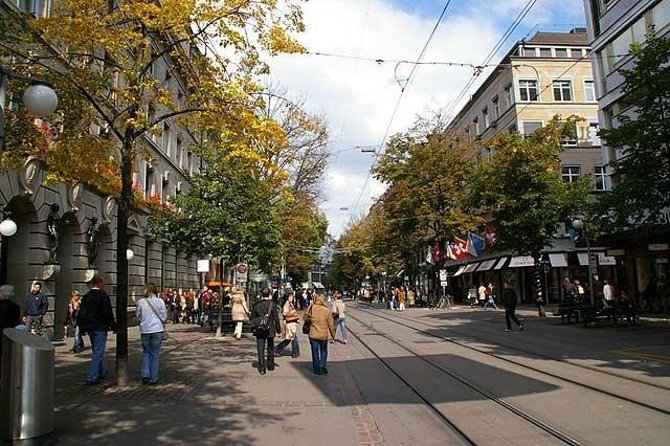
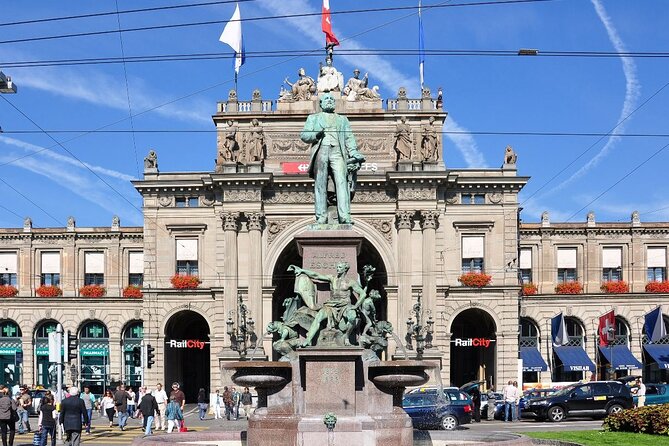
From there, you walk along Bahnhofstrasse. This is one of the world’s most expensive shopping streets, and the guide explains how it became such a high-value address. The stop lasts about ten minutes.
I like this pairing because it places old Zurich beside modern wealth. You begin with transport, trade, and city expansion, then pass shop windows associated with luxury and finance. You do not need to buy anything for the street to be interesting, and the guide’s context helps explain why this short stretch matters.
Do not expect a shopping tour. The point is the street’s story and place in Zurich, not a list of stores. If you want time to browse, take notes and return after the walk.
Lindenhof Hill and Zurich’s first layers
Lindenhof Hill is one of the key stops. The walk here shifts from present-day Zurich to the city’s earliest foundations, with an underground section that explores its origins.
The guide may use pictures, questions, or other visual aids to make the story easier to follow. Several guides, including Eva and Edu, are described as using props, photographs, humor, and questions to keep the group involved. That style suits this stop because ancient foundations can be hard to picture from a modern street.
The visit lasts about fifteen minutes. That is long enough for a useful explanation without turning the tour into a lecture. You get a sense of the city’s Roman beginnings and how the old center developed over time.
This is also one of the points where the route becomes less physically simple. There can be stairs and uneven ground, so keep your hands free for balance and wear firm shoes. The walk is not presented as inaccessible to most people, but it is not a smooth, level route either.
Schipfe 51 and the value of a surprise
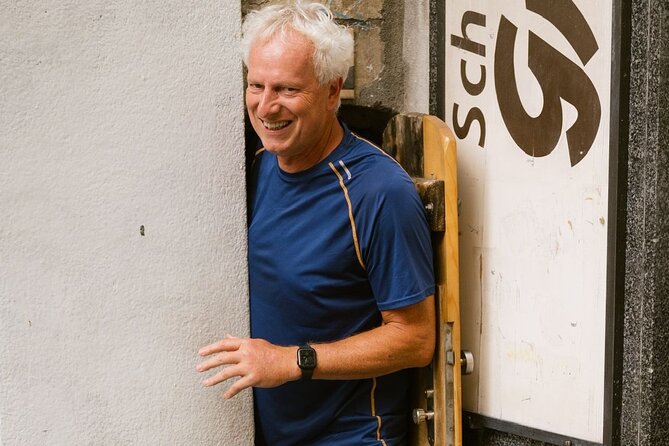
The stop at Schipfe 51 is deliberately presented as a surprise. The guide asks you to consider what happened in this place, then explains its story.
That format matters. A guided walk can become a chain of buildings and dates if you already know what comes next. Here, the question gives you a reason to look closely before the answer arrives. It also shows why a small private tour can be more engaging than following a large crowd from one obvious landmark to another.
You should not expect every detail in advance. Part of the enjoyment is allowing the guide to reveal the setting in person. The stop lasts around ten minutes, so it remains concise rather than taking over the tour.
This is a good example of the tour’s general method: use a familiar area, add an unusual story, then connect it to the wider development of Zurich. If you prefer a strict schedule with every stop explained in advance, the surprise element may feel less predictable. For most people, it adds some fun.
Same base, a different sort of day:
- Mount Titlis and Lucerne Day Trip from Zurich
★ 4.5 · 1,960 reviews - Heidiland and Liechtenstein Tour from Zurich
★ 4.0 · 1,745 reviews - Jungfraujoch: Top of Europe Day Trip from Zurich
★ 4.5 · 1,647 reviews - Jungfraujoch Day Trip from Zurich: Swiss Alps & Bernese Oberland
★ 4.5 · 1,409 reviews
Fraumünster and Münsterhof’s grander side
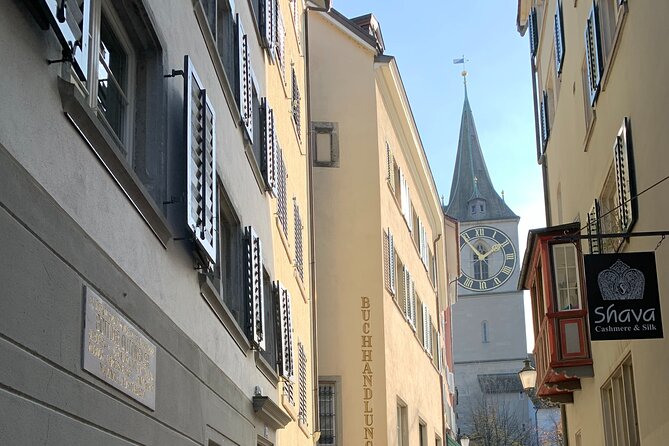
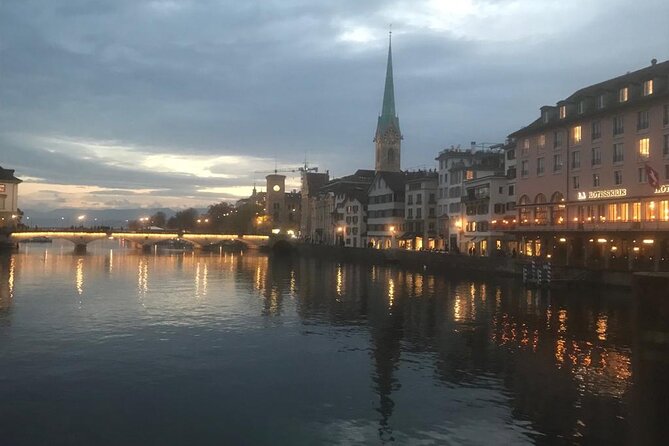
At Wirtsstube Münsterhöfli, the route turns toward Fraumünster and the buildings around Münsterhof. You learn about the church’s past and the history of selected houses on the square.
The stop lasts about ten minutes. That is enough for an introduction, though not a full church visit or a detailed architectural course. The value comes from hearing how the church and surrounding buildings fit into Zurich’s civic and religious story.
The tour also gives attention to powerful women connected with Zurich. That focus helps widen the usual old town story, which often centers on male religious leaders, merchants, and officials. You get a more varied sense of who shaped the city and how influence worked.
Münsterhof is a good place for photographs, but the guide’s explanation is the main reason to pause here. You may want to return later if you hope to spend more time inside Fraumünster or examine the square at a slower pace. The walking tour keeps moving.
Wasserkirche and the city’s saints
The next major stop is Wasserkirche, where the guide explores the church’s secrets and the history of Zurich’s city saints. The visit takes about ten minutes.
This section adds a religious layer without making the entire tour about church doctrine. You learn how local identity formed around saints and sacred places, then connect that earlier world with later changes in Zurich.
The word secrets should not lead you to expect a theatrical ghost tour. The interest lies in lesser-known facts and the stories attached to the building. Guides such as Jürg are praised for mixing information with jokes, which helps keep this material light and memorable.
I would pay attention to the transitions here. Zurich’s old town is compact, but each church represents a different part of the city’s story. The tour uses short stops to build a wider picture instead of asking you to stand in one place for a long time.
Niederdorf, the Ehgraben, and medieval sanitation
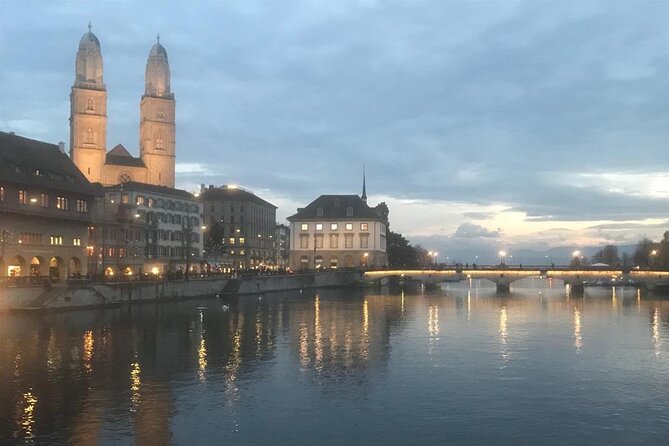
Niederdorf brings the tour into one of Zurich’s most familiar old town areas. Depending on the time available, the guide may include a short walk through the district after visiting the Ehgraben underground.
The subject here is medieval sanitation. It is not polished, but it is exactly the sort of detail that helps you understand daily life. Grand churches and wealthy streets tell only part of a city’s story. The question of toilets, waste, and narrow urban passages shows what living in medieval Zurich was actually like.
This section has been a highlight for families with teenagers because it changes the mood and adds a bit of humor. It also gives the guide a chance to explain practical city life rather than only political or religious events.
The timing can vary because the tour is limited to about two hours and includes several stops. If Niederdorf is especially important to you, mention it early in the walk and ask the guide how much time is available. The private format makes that kind of conversation easier.
Grossmünster, Zwingli, and the Reformation
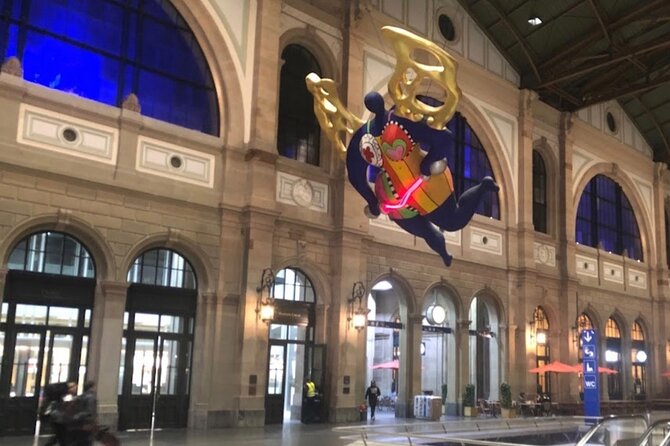
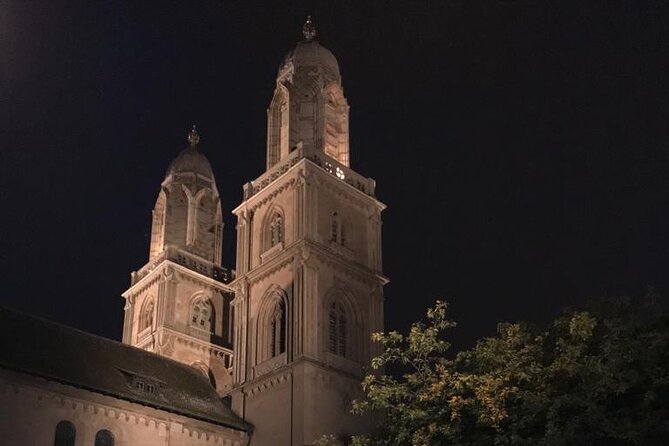
The final listed stop is Grossmünster, at Zwingliplatz. Here the subject is the Reformation in Zurich, Ulrich Zwingli, and the changes that reshaped the city’s religious and political life.
This is a natural ending. You have already heard about early Zurich, saints, churches, and medieval society. Grossmünster brings those threads into the sixteenth century and explains why Zurich became such an important Reformation center.
The stop lasts about ten minutes. You will receive a clear orientation rather than an exhaustive account of every Reformation dispute. That is the right amount for a first visit, especially if you plan to explore the church or old town afterward.
The official endpoint is at Zwingliplatz 7, but the tour can finish at another desired location in the old town, depending on the arrangement. That flexibility is useful if you have a restaurant booking, want to continue toward the river, or need directions to another sight. One guide helped a participant plan the journey to the Lindt Museum, and another gave advice about using boat transport for a later reservation. Those practical suggestions can be as useful as the historical facts.
Pace, group size, and the physical side
This is a private activity, so only your group participates. That changes the feel of the walk. You can ask a question without holding up a large crowd, and the guide can respond to the interests of adults, children, or teenagers in your party.
The walk takes about one and a half to two hours. Several guides are described as keeping a brisk pace while allowing time for photographs and questions. That is a good balance for a first morning in Zurich, when you want orientation without spending half the day on one activity.
The route includes cobblestones, inclines, steps, and underground sections. Most people can take part, but I would not call it an easy-access walk. If you tire quickly on slopes or have trouble with stairs, ask about the route before booking.
Comfortable footwear matters more here than fashionable footwear. You may also want water in warm weather. One participant described walking in the heat, and the route covers enough ground that weather will affect your comfort.
Price and what you receive for it
The supplied pricing shows two different figures: from CHF 21.00 and $106.35 per person. Since those amounts do not match, check the current total, currency, group size, and any booking conditions before paying.
If the higher figure applies, the value depends on how much you want a private guide. You are paying for a tailored walk, not admission to a collection of attractions. The listed stops have no admission charge, so the main purchase is the guide’s time, local explanation, route planning, and ability to answer questions.
For a couple, family, or group of friends, a private tour can make financial sense because the cost may cover the whole group or benefit from a group discount. The private format also saves you from adapting to strangers’ interests. You can ask about transport, restaurants, museums, or the best direction for the rest of your day.
For a solo visitor on a tight budget, the price deserves closer thought. You could see many of the churches and streets independently. The reason to book is the underground access, unusual stories, and the time saved in making sense of what you are seeing.
Which guide style might suit you
Guide assignments can vary, but the experience has included Jürg, Edu, Eva, and Adrian. Jürg is described as especially strong on stories, humor, local details, and unusual routes. Edu is associated with a conversational approach, pictures, facts, and jokes. Eva is noted for adjusting the walk to questions and individual needs, while Adrian helped with onward directions after the tour.
You cannot necessarily choose a specific guide, so treat these names as examples of the style you may encounter rather than a promise. The important point is that the walk depends heavily on the person leading it. A good guide makes the underground passages, church history, and medieval sanitation memorable instead of merely listing facts.
The English-language format suits visitors who want a clear introduction to Zurich without joining a large multilingual group. Confirmation is sent within 48 hours, subject to availability, and the tour operates daily from 10 a.m. to 6 p.m. during the stated operating period.
Who should book this Zurich walking tour
I would choose this tour for a first visit, especially if you want a city orientation before exploring on your own. It covers the main old town sights but avoids staying only on the standard postcard route.
It also fits families with older children and teenagers. The underground passages, Roman remains, and medieval toilet stories give younger people something concrete to remember. Couples and small groups will appreciate the private setting, particularly if they have questions about transport or plans for later in the day.
You should think twice if you want a gentle, flat walk, a long museum-style explanation at every stop, or guaranteed time inside every church. This is a moving tour with short stops, changing subjects, and some physical effort.
Free cancellation is available if you cancel at least 24 hours before the start time. Changes or cancellations made later are not accepted for a refund, and the cut-off follows local Zurich time.
Should you book it?
Book it if you want Zurich explained through both its famous sights and its less obvious corners. The Roman remains, underground passages, medieval sanitation, and personal guidance give the walk more character than a basic old town circuit.
I would schedule it early in your stay. You will finish near Grossmünster or elsewhere in the old town with a better sense of where you are, and you can use the guide’s advice to plan museums, boat transport, restaurants, or the rest of your route.
Before booking, confirm the actual price and make sure your group is comfortable with stairs, cobblestones, and inclines. If those points work for you, this is a strong two-hour introduction to central Zurich, with enough surprises to keep the walk from feeling like a list of monuments.
FAQ
Where does the Zurich city tour start?
It starts at Zurich HB, Bahnhofplatz, 8001 Zürich, near the main railway station.
Where does the tour end?
The listed endpoint is Zwingliplatz 7 near Grossmünster. Depending on the tour, it can end at another desired location in Zurich’s old town.
How long does the experience last?
The tour lasts approximately one hour and 30 minutes to two hours.
Is this a private tour?
Yes. Only your group participates in the activity.
Is the tour offered in English?
Yes. English is the listed tour language.
Can I cancel for a full refund?
Yes, if you cancel at least 24 hours before the experience start time. Cancellations or changes made less than 24 hours before the start time are not accepted for a refund.
Just added in Zurich
- ZRH Zurich Airport to Zurich City Private Transfer–Winter Special★ 4.5 · 14 reviews
- Kloten Foxtrail Picasso★ 4.5 · 13 reviews
- Rapperswil Foxtrail Baccarat★ 4.5 · 16 reviews
- Appenzell and Liechtenstein Tour from Zurich★ 5.0 · 16 reviews
- The Best of Zurich Including Panoramic Views in a Small Group Walking Tour★ 5.0 · 16 reviews
- Zurich Foxtrail Odysseus★ 4.0 · 16 reviews
- Crash Landing on You Private Switzerland Day Tour from Zurich or Lucerne (CLOY)★ 5.0 · 19 reviews
- Urban Bike Tour Zurich★ 4.5 · 25 reviews
City Tours, compared.
Best of Geneva City Tour with optional boat cruise
Read our review →
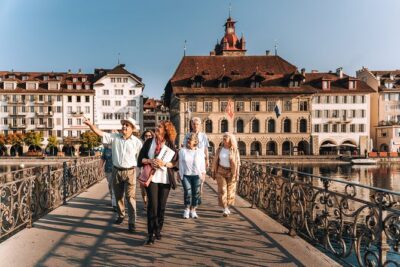

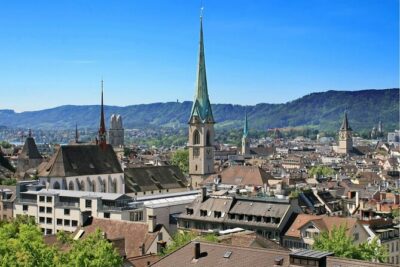
Best of Zurich and Surroundings – Extended City Sightseeing Tour
Read our review →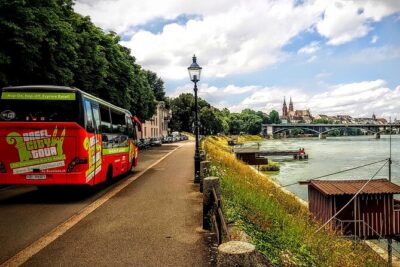

Zurich Highlights City Tour with Optional FIFA Museum Ticket
Read our review →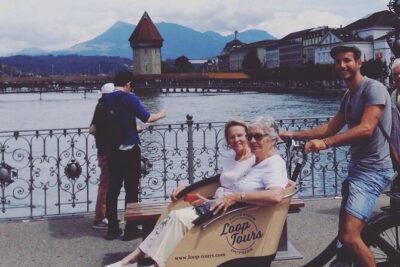
Tony`s private city tour with picnic & chocolate degustation
Read our review →Browse the lists this tour appears in